

A garage door opener usually gets very little attention when it is working properly. You press the remote, the door opens, you drive in, and life moves on. The trouble starts when the opener suddenly stops responding, makes an unfamiliar grinding sound, or leaves the garage door halfway open on a cold Edmonton morning.
Understanding the problem early can save you from unnecessary inconvenience and, in some cases, prevent a minor fault from becoming a more expensive repair. Garage door opener repair in Edmonton is not always about replacing the entire opener. Sometimes the cause is a worn gear, faulty sensor, damaged wiring, remote-control issue, or a simple power problem.
Edmonton homeowners also have to consider seasonal conditions. Cold temperatures, snow, moisture, and frequent temperature changes can affect garage door components and place additional strain on an opener.
This guide explains what causes common opener problems, why they happen, how professionals diagnose them, when repair makes sense, and what homeowners can safely check before calling a technician.
A garage door opener is a relatively compact system, but several components have to work together correctly. The motor, drive mechanism, control board, safety sensors, wall switch, remote controls, and door itself all play a role.
In practice, an opener problem may not actually originate inside the opener.
For example, a garage door that has become difficult to lift manually can place excessive load on the motor. A homeowner may assume the opener is failing, when the underlying issue is a worn spring, damaged roller, misaligned track, or increased friction.
Edmonton’s weather can make these problems more noticeable.
During winter, lubricants can become less effective, mechanical components can stiffen, and moisture or ice can interfere with moving parts. If a door is already poorly balanced, the additional resistance can push an ageing opener beyond its normal operating range.
That is why proper diagnosis matters.
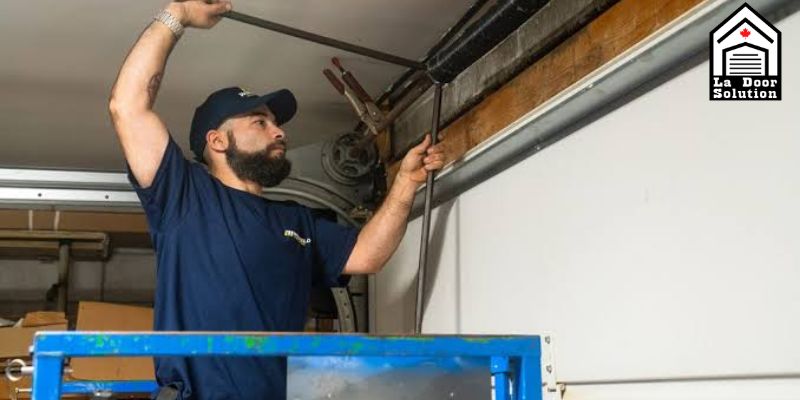
A professional does not simply replace the opener because it makes a noise. They look at the complete door and opener system to determine where the fault actually originates.
The most common Garage Door Opener Problems in Edmonton tend to fall into a few recognizable categories.
A garage opener not responding is one of the most frustrating situations because there may be no obvious explanation.
Before assuming the motor has failed, homeowners can check a few basic things:
If the wall button works but the remote does not, the problem may involve the remote, battery, programming, or receiver rather than the opener motor.
If neither control works, the fault could be electrical or internal to the opener.
A technician will normally isolate these possibilities rather than immediately recommending replacement.
An opener making noise does not automatically mean the motor is failing.
Different sounds can point toward different issues.
A grinding sound may indicate worn internal gears or mechanical components. A rattling sound can sometimes come from loose hardware. Excessive vibration may indicate mounting problems. A squealing or scraping noise can also originate from the garage door itself rather than the opener.
This distinction is important.
A homeowner might replace an opener because of excessive noise, only to discover that the door rollers or another mechanical component were responsible.
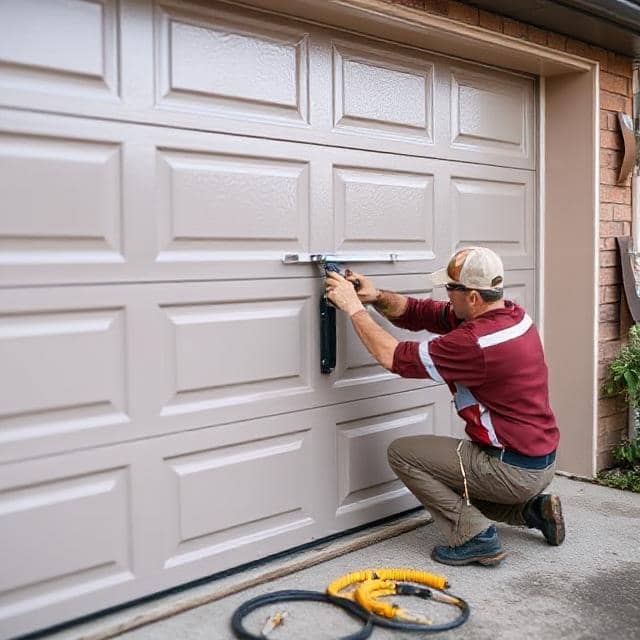
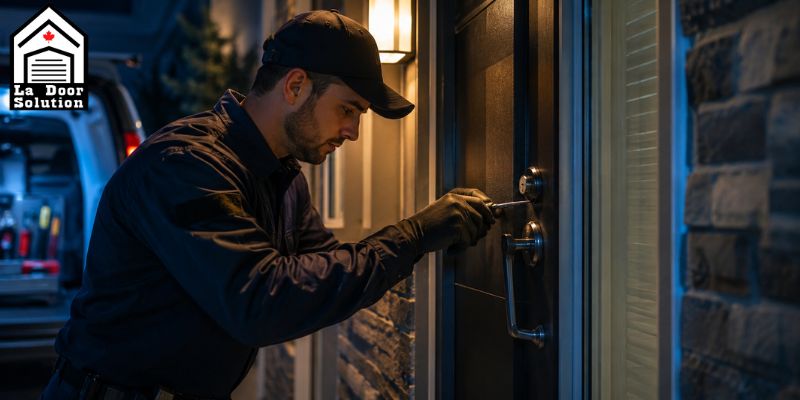
Experienced technicians listen to the sound, observe the opener while operating, and inspect the door movement before deciding what needs to be repaired.
Professional garage opener repair generally begins with diagnosis rather than replacement.
A technician may inspect:
The purpose is to identify the actual failure point.
For example, imagine an Edmonton homeowner whose garage door opens normally but reverses before reaching the floor. The homeowner may suspect the opener motor.
However, the technician may discover that the safety sensors are misaligned or obstructed. In that situation, replacing the entire opener would solve the wrong problem.
Another common scenario involves an opener that operates intermittently. If the problem appears only during extremely cold weather, the technician may investigate mechanical resistance, wiring, power supply and environmental factors rather than assuming the control board has failed.
This diagnostic approach is particularly valuable when deciding between repair and replacement.
Sometimes repair is the right choice. Other times, continued repairs no longer make practical or financial sense.
A newer system may provide better reliability, quieter operation, and features that are useful for modern households.
When considering garage door opener installation in Edmonton, homeowners should look beyond the motor’s horsepower rating.
The correct opener depends on factors such as:
An opener should be properly matched to the door.
Installing an unnecessarily powerful system does not automatically make the garage door safer or better. Likewise, selecting a system based only on the cheapest purchase price can create problems later if it does not suit the door or intended usage.
Professional installation also provides an opportunity to inspect the existing door system and identify mechanical issues before they damage the new opener.
Automatic garage opener repair can make sense when the opener is otherwise in good condition, and the faulty component can be reliably repaired or replaced.
For example, repairing a defective sensor, replacing a worn gear or addressing a control issue may extend the useful life of an opener considerably.
Repair is often worth considering when:
Replacement becomes more attractive when the opener has reached the end of its practical service life, has repeated failures, or requires major components that are no longer readily available.
A good technician should explain both options rather than automatically pushing for a complete replacement.
One of the biggest mistakes homeowners make is treating the opener and garage door as completely separate systems.
They are not.
The opener provides the force needed to move the door, but the door’s springs, rollers, hinges, and tracks determine how much effort is required.
A properly balanced garage door should not place excessive strain on the opener.
If the door becomes unusually heavy or difficult to move manually, continuing to operate the opener may increase stress on the motor and drive mechanism.
This is particularly relevant when diagnosing an opener that suddenly struggles.
The technician should inspect the complete system rather than simply adjusting the opener’s settings.
Edmonton’s winter conditions can expose weaknesses in garage door systems that may not be obvious during milder weather.
Cold temperatures can affect mechanical movement, while snow and ice can create additional resistance around the garage door.
Moisture can also contribute to corrosion or other component problems over time.
Homeowners should pay attention to changes such as:
These symptoms should not simply be ignored until spring.
If the opener is struggling because the door is mechanically difficult to move, continued use can increase wear on the opener and other components.
There are several basic checks homeowners can perform without dismantling the opener.
Make sure the opener is plugged in and that the relevant circuit breaker has not tripped.
If the breaker repeatedly trips when the opener operates, do not repeatedly reset it and continue using the system. A recurring electrical issue requires professional assessment.
A dead remote battery is one of the simplest explanations for an opener that appears to have stopped working.
Try the wall control as well. This can help determine whether the issue is limited to the remote.
Look near the bottom of the garage door tracks for the two safety sensors.
They should generally face one another and remain unobstructed.
Dust, dirt, accidental movement, or an object blocking the sensor path can interfere with operation.
Check whether the door is visibly off-track, unusually heavy, damaged, or obstructed.
Do not attempt to repair springs, cables, or serious track damage yourself. These components can store significant mechanical energy and can cause serious injury if handled incorrectly.
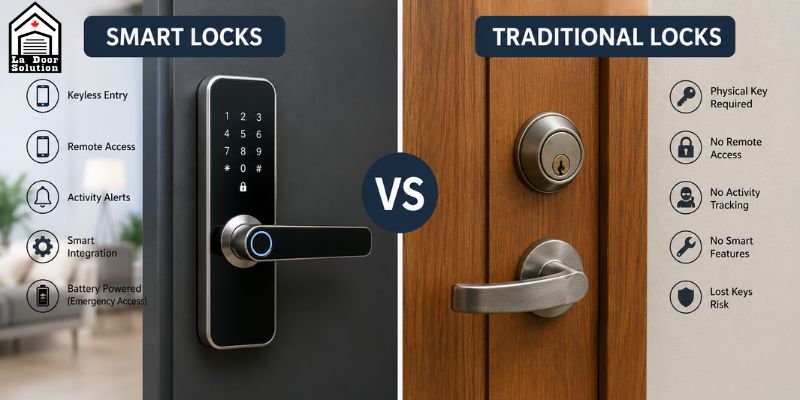
A wifi garage opener setup can give homeowners additional control and visibility over their garage door.
Depending on the system, smart features may allow homeowners to:
For families who regularly forget whether the garage door was closed, this can be genuinely useful.
However, smart functionality should not be the only consideration when selecting an opener.
The underlying mechanical and safety systems still matter. A connected opener with poor installation or an unsuitable door setup is not a substitute for proper mechanical maintenance.
Some basic troubleshooting is reasonable. Internal opener repairs are a different matter.
Garage door systems combine electrical components with heavy moving equipment and high-tension springs.
A seemingly small mistake can damage the opener, door, or surrounding property. More importantly, certain components can present serious injury risks.
Avoid attempting to:
If the fault involves a spring, cable, track, or electrical component, professional assessment is the safer approach.
An opener rarely fails without giving some warning.
Repeated clicking, unusual noises, slow operation, and intermittent response can all indicate developing problems.
Addressing symptoms early may prevent a small component failure from becoming a larger repair.
The opener motor gets blamed frequently because it is the most visible part of the system.
But the actual cause can be sensors, wiring, remote controls, gears, door balance, or mechanical resistance.
If the garage door is crooked, scraping, unusually heavy or visibly damaged, repeatedly operating it can place additional strain on the opener.
The door should be assessed before assuming the opener is the only issue.
The cheapest opener is not necessarily the lowest-cost solution over its useful life.
Noise, compatibility, warranty, availability of parts, and suitability for the door should all be considered.
A few practical questions can help homeowners make a better decision.
Ask:
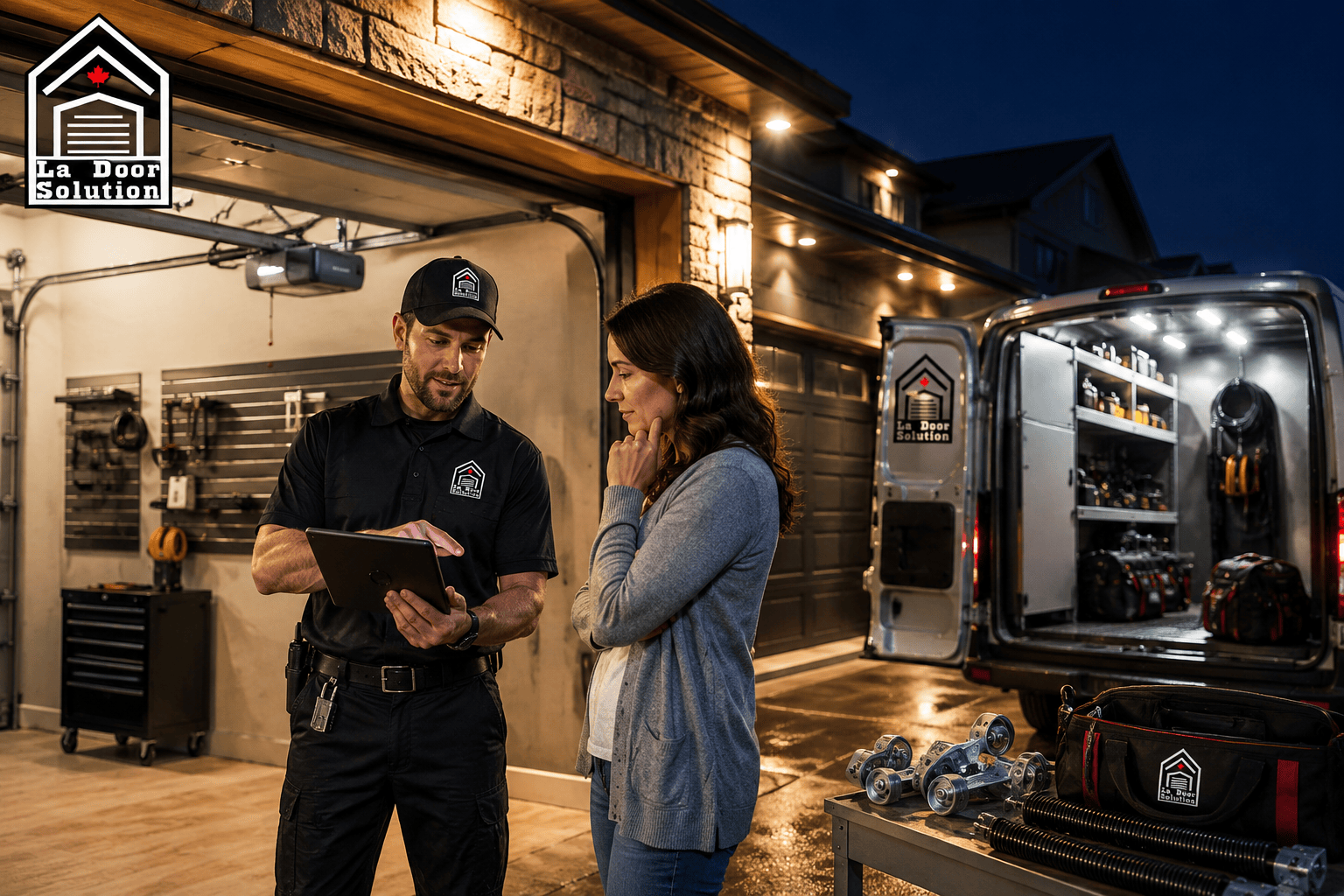
A trustworthy technician should be able to explain the diagnosis in straightforward language.
You should not need to accept a vague statement such as “the opener is bad” without understanding what failed and why replacement is necessary.
Regular observation is one of the easiest forms of preventative maintenance.
Pay attention to changes in the way the door operates.
A homeowner can also keep the area around the garage door clear, avoid forcing the door when it is obstructed, and arrange a professional inspection when unusual symptoms appear.
If the garage door receives heavy daily use, periodic professional maintenance can be especially worthwhile.
The goal is not to wait for a complete failure. It is to identify developing problems while the system is still manageable.
The best approach is to diagnose the entire system before deciding whether repair or replacement is necessary.
For example, if an opener is noisy but the door itself moves smoothly, and the fault is limited to a replaceable internal component, repair may be sensible.
If the opener is older, repeatedly failing and paired with a door that already requires substantial mechanical work, replacing the opener as part of a broader system assessment may make more sense.
There is no universal answer.
The right solution depends on the condition, age, usage and configuration of the individual garage door system.
A few practical habits can prevent unnecessary opener problems.
Do not ignore changes in sound. A new grinding, rattling or squealing noise deserves attention.
Watch the door’s movement. A door that suddenly becomes slow or jerky may be creating excessive load.
Keep sensors unobstructed. Even minor interference can prevent normal operation.
Do not bypass safety features. They exist to reduce the risk of the door closing when something is in its path.
Consider Edmonton’s seasonal conditions. Problems that appear during winter should not automatically be dismissed as normal cold-weather behaviour.
Know the age of your opener. Understanding when it was installed makes it easier to evaluate repair versus replacement.
Treat recurring faults seriously. If the same problem keeps returning after a repair, investigate the underlying cause rather than repeatedly treating the symptom.
A garage door opener is easy to forget about until the morning it refuses to work. At that point, understanding the likely causes can help you avoid unnecessary delays and poor repair decisions.
The important lesson is that Garage Door Opener Problems in Edmonton should be assessed as part of the complete garage door system. A faulty sensor, worn component, difficult-to-move door, or electrical issue can all produce symptoms that look like an opener failure.
Whether you need garage opener repair, a new system through garage door opener installation in Edmonton, or automatic garage opener repair, the sensible first step is proper diagnosis.
For Edmonton homeowners, paying attention to early warning signs and arranging professional help when a problem involves electrical or high-tension mechanical components is a practical way to keep the garage door operating safely and reliably.
Common warning signs include an opener that does not respond consistently, unusual grinding or rattling noises, slow operation, unexpected reversing, failure to close completely, or intermittent operation. If the door itself feels unusually heavy or difficult to move, the problem may involve the door mechanism rather than the opener. A professional inspection can determine whether the issue is electrical, mechanical, or related to the opener’s internal components.
Power alone does not confirm that the opener is functioning correctly. The problem could involve the remote, wall control, safety sensors, wiring, receiver, control board, or motor. Start by testing the wall control and remote separately and checking that the sensors are unobstructed. If neither control operates the opener, professional diagnosis is advisable rather than repeatedly resetting the electrical supply.
Consider the opener’s age, condition, repair history, parts availability, and the cost of the required repair. A relatively modern opener with an isolated component failure may be a good repair candidate. An older system with repeated failures may be better replaced. The condition of the garage door should also be considered because mechanical problems can cause an otherwise healthy opener to work harder than it should.
Cold weather can contribute to operating difficulties by increasing resistance in mechanical components and making existing weaknesses more noticeable. Ice or snow can also interfere with the door’s movement. However, persistent problems should not simply be considered normal winter behaviour. If an opener repeatedly struggles, reverses, or makes unusual noises in cold conditions, the complete door and opener system should be inspected.
For many homeowners, smart functionality can be useful because it can provide app-based control, notifications and remote monitoring. It can be particularly convenient for families who share garage access or want to confirm that the door has been closed. However, smart features should be considered alongside mechanical reliability, safety functions, compatibility with the door, and professional installation.