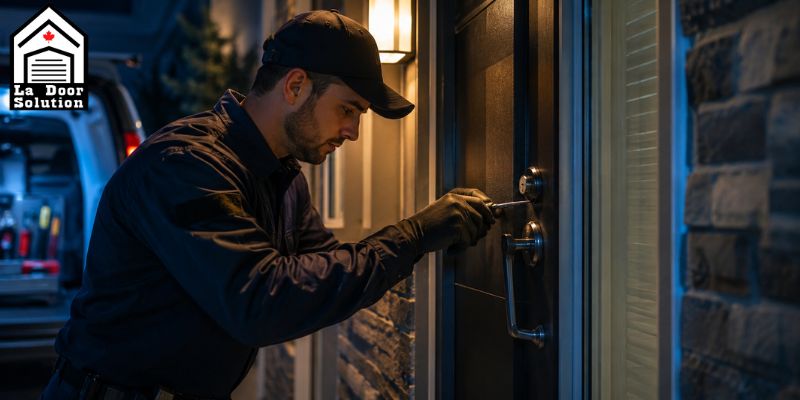


Your front door is one of the first places to think about when improving home security. A strong door, quality hardware, and sensible access habits can make a meaningful difference, but modern homeowners also have another option to consider: smart locking technology.
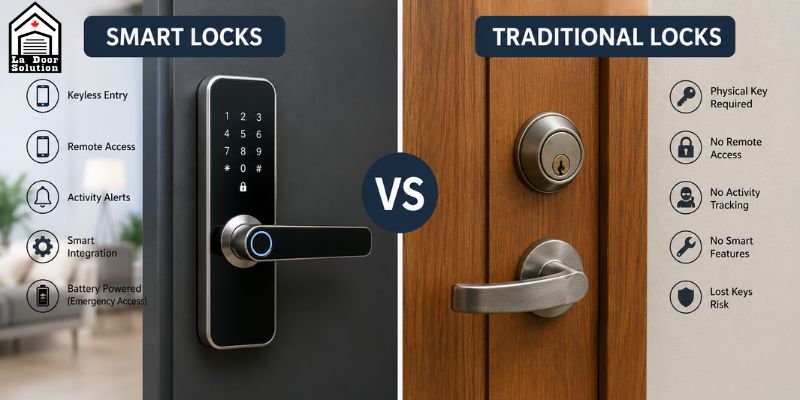
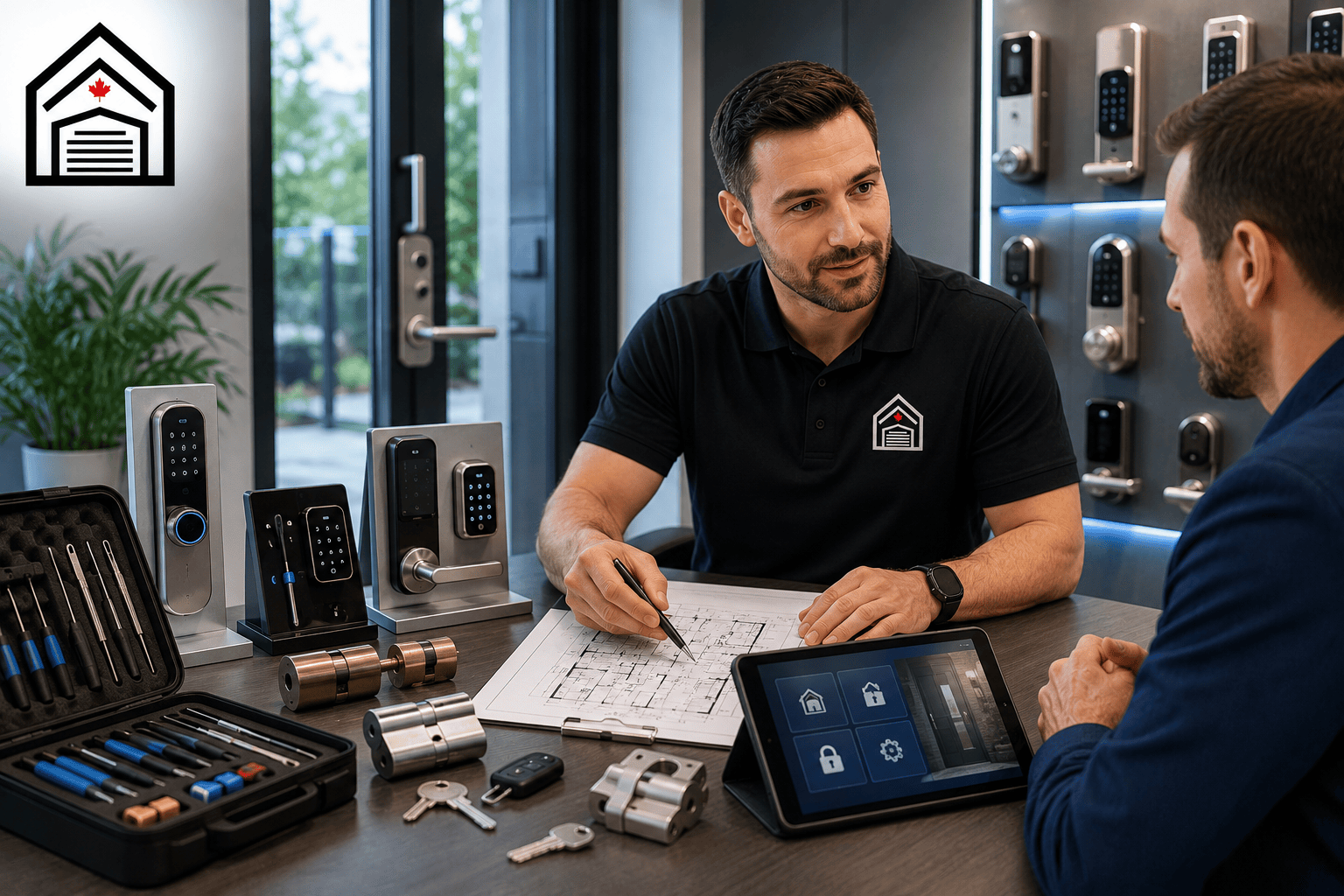
For many households, smart lock installation Edmonton services offer a practical way to manage entry without relying entirely on traditional keys. Depending on the system, homeowners may be able to unlock a door with a keypad code, smartphone, fingerprint, key fob, or conventional key.
However, installing a smart lock is not simply a matter of removing an old lock and attaching a new device. The door, frame, existing hardware, power requirements, and household routines all influence whether a particular smart lock is appropriate.
This guide explains what Edmonton homeowners should consider before upgrading their house locks, how smart locks compare with conventional options, and when professional assistance from a residential locksmith in Edmonton can make the installation safer and more reliable.
Traditional locks remain useful, but they can create everyday problems.
Keys can be lost, copied, damaged or accidentally locked inside the house. Families may also find themselves sharing spare keys with relatives, cleaners, dog walkers or other trusted people.
A smart lock can simplify some of these situations by providing alternative methods of access.
For example, imagine a homeowner who regularly arrives home with groceries and children. Instead of searching through a bag for a key, they may be able to enter using a PIN or phone. Similarly, a homeowner who needs to give temporary access to a trusted visitor may prefer a temporary access code rather than leaving a physical key somewhere.
Smart technology does not automatically make a home secure, though. The quality of the lock, installation, door condition, access management and homeowner habits all matter.
That is why choosing the right system is more important than simply choosing the newest device.
A smart lock replaces or works alongside conventional locking hardware while adding electronic access features.
Depending on the model, it may support:
Some systems are designed to replace the entire deadbolt, while others integrate with existing hardware.
Before purchasing one, homeowners should determine exactly what type of lock is installed on the door and whether the proposed smart lock is compatible with it.
A professional home locksmith Edmonton service can assess the existing hardware and identify potential installation issues before the new lock is purchased.
Smart locks combine mechanical hardware with electronic components. Correct installation therefore involves more than making the device look neat on the door.
A residential locksmith in Edmonton can examine the door and determine whether the existing setup is suitable for the selected lock.
Important considerations include:
The deadbolt or latch must move smoothly into the strike plate.
If the door is slightly misaligned, a traditional lock may already feel stiff. Installing an electronic lock without addressing that problem can put additional strain on the mechanism.
A good installation starts with making sure the door closes correctly and the locking mechanism operates smoothly.
Not every smart lock fits every deadbolt or door preparation.
The locksmith can identify the existing configuration and help determine whether the lock should be replaced, modified or retained.
Electronic features are useful, but the mechanical portion of the lock still needs to function correctly.
A smart lock should not require excessive force to lock or unlock. If the bolt consistently catches against the frame, the underlying door alignment should be investigated.
Power failures, depleted batteries and technology-related problems are practical considerations.
Depending on the model, backup access could involve a physical key, external battery connection, emergency power contacts or another manufacturer-approved method.
Homeowners should understand this before relying entirely on electronic access.
There is no single lock that is automatically the best choice for every Edmonton property.
The right solution depends on the door, household requirements and security priorities.
When comparing the best locks for home use, consider:
A high-tech lock installed poorly can be less useful than a well-installed quality mechanical lock.
Homeowners should therefore evaluate the entire door assembly rather than judging security based solely on the lock’s appearance or number of electronic features.
This is one of the most commonly overlooked issues.
A deadbolt should generally extend and retract without excessive resistance. If the door has shifted slightly because of seasonal movement, settling, worn hinges or frame problems, the bolt may rub against the strike plate.
With a manually operated lock, a homeowner might simply push or pull the door while turning the key.
With a motorised smart lock, that resistance can become a bigger operational problem.
The motor has to move the locking mechanism. If the bolt repeatedly encounters resistance, the system may produce errors, drain batteries faster or fail to lock correctly.
Before smart lock installation, Edmonton homeowners should therefore make sure the door operates smoothly.
Homeowners sometimes assume that installing a smart lock is always the best answer after moving into a property.
That is not necessarily true.
Understanding rekey vs change locks can help you make a more appropriate decision.
Rekeying changes the internal configuration of a compatible mechanical lock so that the old key no longer operates it.
It can be useful when:
Replacing the lock may be preferable when:
A locksmith can explain the practical differences instead of automatically recommending replacement.
Smart locks can improve access control when used correctly.
For example, a homeowner may provide a unique temporary code to a trusted service provider instead of giving them a permanent key.
Some systems can also provide notifications or activity records, depending on their design and configuration.
That can be useful for households that want greater visibility over who has accessed a door.
However, homeowners should avoid treating smart technology as a complete security solution.
Good security also involves:
The goal is to create multiple layers rather than depend on a single device.
Before buying a smart lock, walk through the following checklist.
Look for signs of sagging, sticking or damage.
Open and close the door several times. Does the latch operate smoothly? Does the deadbolt enter the strike plate without force?
If not, address that issue first.
Determine whether you have a single-cylinder deadbolt, double-cylinder configuration, mortise lock or another arrangement.
The smart lock manufacturer should specify compatible hardware.
Think about how everyone actually enters the home.
A keypad may be ideal for a family that regularly shares access. Smartphone-based entry may suit someone who prefers app control. A physical key backup may be particularly important for homeowners who want a simple fallback.
Battery-powered smart locks require battery maintenance.
Before installation, understand how the system indicates low battery levels and what happens if the batteries become completely depleted.
Ask yourself an important question: What happens if the electronic system stops working?
Knowing the answer before an emergency is much better than discovering it when you are standing outside your home.
Some lock-related jobs are straightforward, but others require specialist knowledge.
Professional assistance is particularly useful when:
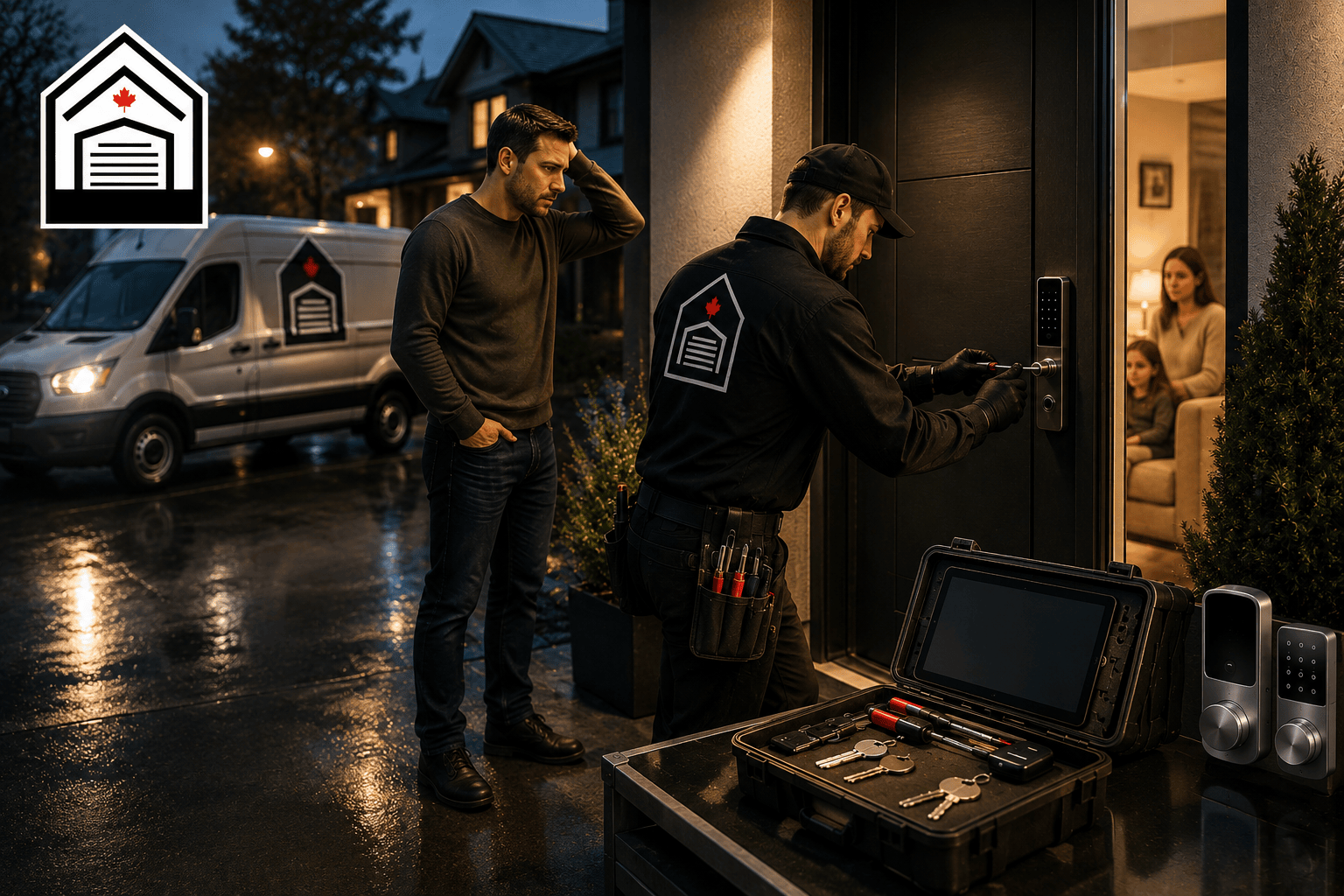
A house lockout service Edmonton provider can also help when an access problem happens unexpectedly.
For example, if a homeowner’s electronic lock stops responding and there is no usable backup entry method, forcing the door can cause unnecessary damage. A professional locksmith can assess the situation and use an appropriate entry method.
Smart technology does not eliminate the need for mechanical maintenance.
A door lock repair may be necessary if the underlying hardware has become worn, damaged or misaligned.
Common warning signs include:
Ignoring these signs can turn a small hardware issue into a complete lock failure.
The front entrance gets most of the attention, but homeowners should think about every accessible entry point.
Consider:
Rear doors are often less visible from the street. Make sure the locking hardware is in good condition, and the frame is secure.
An internal garage door provides another route into the house. It should have appropriate locking hardware and should not be overlooked during a security upgrade.
Sliding and secondary doors require their own security considerations. Check that locks and frames are functioning correctly.
If your property has a basement entrance, inspect its lock and surrounding frame just as carefully as the main entry.
A homeowner may purchase an attractive smart lock online only to discover that the existing door configuration is incompatible.
Checking measurements and hardware requirements first can prevent this problem.
A new lock cannot compensate for a weak or badly aligned door.
If the frame is damaged or the door does not close correctly, those problems should be addressed.
Smart locks depend on power unless they have a suitable mechanical backup.
Ignoring low-battery alerts can eventually result in an access problem.
Using the same PIN for everyone reduces the value of access control.
Where the system supports it, individual codes can provide better control and make it easier to remove access when circumstances change.
Technology can fail.
A sensible security plan includes an appropriate backup method and a clear understanding of how to regain entry if the electronic system becomes unavailable.
You do not necessarily need to replace every lock to improve security.
Start with an assessment of the current setup.
Ask:
Sometimes rekeying or repairing existing hardware provides a practical improvement without a complete technology upgrade.
In other situations, a smart lock may offer better access control.
The right answer depends on the property.
A lock problem rarely happens at a convenient time.
A homeowner might return from work to discover that a key has snapped in the lock. Another person may find that a deadbolt has stopped retracting. A smart lock could lose power at an inconvenient moment.
If you experience an urgent lock problem, avoid forcing the mechanism or attempting aggressive DIY entry methods.
Damage to the door, frame or locking hardware can make the eventual repair more complicated.
An emergency electrician is not the appropriate professional for a lock problem. Instead, contact an appropriately qualified locksmith who handles residential access and lock issues.
When comparing locksmiths, homeowners should look beyond price alone.
Consider whether the provider:
A trustworthy professional should be willing to explain why a particular solution is suitable for your door.
A few practical habits can make a smart lock upgrade more successful.
Operate the existing latch and deadbolt several times. Fix mechanical problems first.
Know exactly how you will enter if the battery is depleted or the electronic system becomes unavailable.
If your smart lock uses an app, secure the associated account with strong authentication where supported.
Remove old codes and digital permissions that are no longer required.
A sticking bolt or loose cylinder may seem minor, but it can indicate developing hardware or alignment problems.
Improving the front door while leaving other accessible entrances poorly secured creates an uneven security setup.
A smart lock can be a useful part of a modern residential security strategy, particularly for homeowners who want more flexible control over who can access their property.
However, the technology itself is only one part of the equation. Door condition, lock quality, installation, mechanical alignment, battery management and backup access all deserve attention.
Whether you are considering smart lock installation Edmonton, repairing existing hardware or simply looking for the best locks for home use, start by assessing your actual security needs rather than choosing a product based on features alone.
For Edmonton homeowners, working with an experienced residential locksmith in Edmonton can help ensure the chosen solution is compatible with the property, properly installed and practical for everyday use. A thoughtful approach can improve both security and convenience without replacing hardware unnecessarily.
The first consideration should be compatibility with the existing door and locking hardware. A professional should check the door thickness, deadbolt configuration, alignment, frame and available backup-entry options. Choosing a smart lock before checking these details can lead to installation problems or unnecessary hardware changes.
Not automatically. Security depends on the quality and installation of the lock, the strength of the door and frame, access-control practices and how the system is maintained. A smart lock can provide useful features such as temporary codes and controlled access, but electronic features do not replace good physical security.
It depends on the condition of the existing hardware and your security requirements. Rekeying can be appropriate when the locks are mechanically sound but you want old keys to stop working. Replacement may be more suitable when the hardware is worn, damaged or when you want to move to a smart locking system.
A locksmith’s ability to repair a particular electronic lock depends on the lock design, manufacturer and nature of the problem. A locksmith can generally assess the mechanical components, door alignment and installation. For electronic faults requiring proprietary components, manufacturer support may also be necessary.
First, use the manufacturer’s approved backup-entry method if one is available. Avoid forcing the door or damaging the lock. If you cannot regain entry safely, a professional locksmith can assess the situation and provide an appropriate house lockout service Edmonton homeowners can use when access is urgently required.