
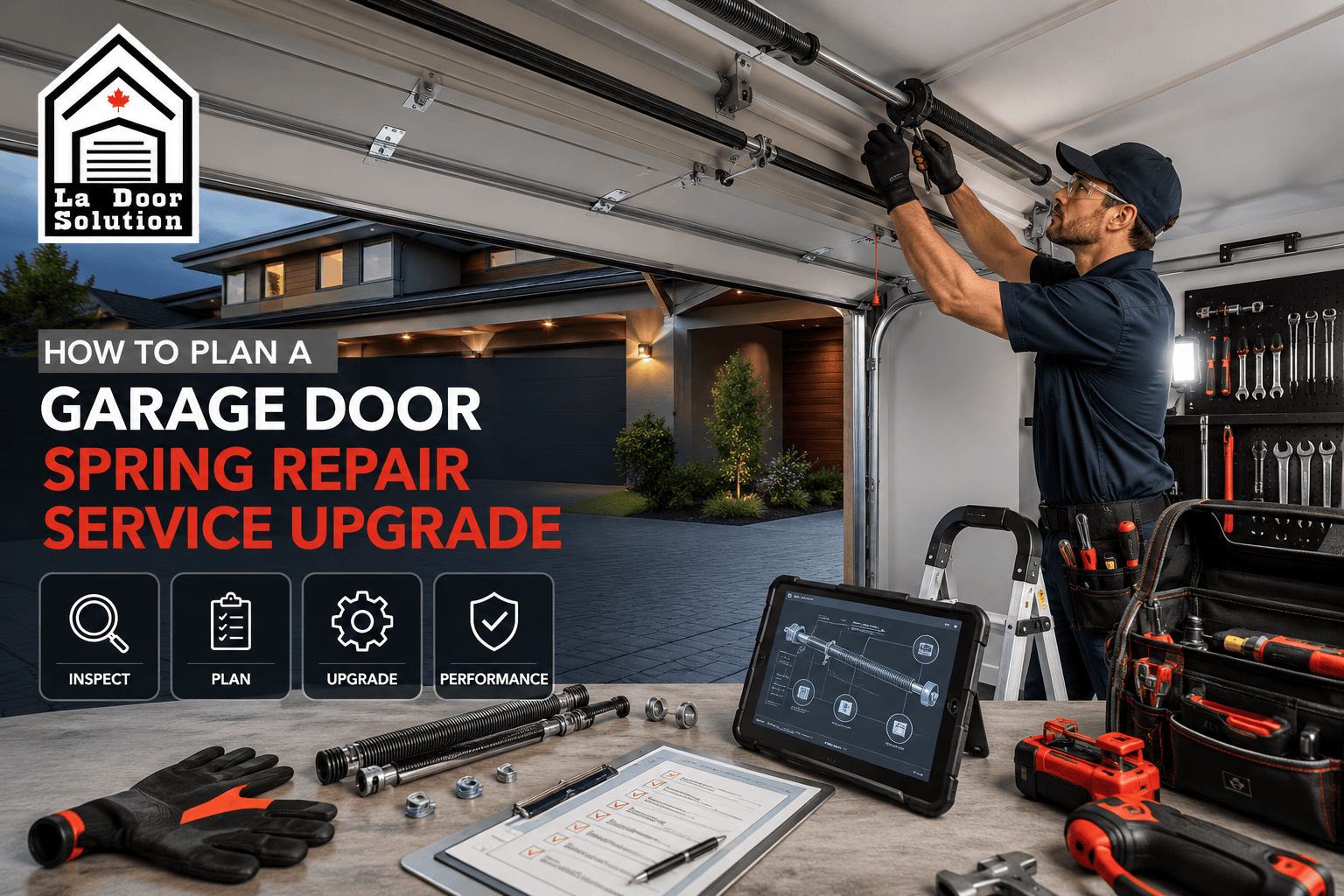
Garage doors are one of the hardest-working systems in any home, yet most homeowners rarely think about the springs until something suddenly goes wrong. One morning the door refuses to open, feels unusually heavy, or slams shut without warning. In many cases, the real culprit is a failing or broken spring.
If you’re searching for reliable information about garage door spring repair Edmonton, understanding the warning signs early can help you avoid costly damage, unsafe situations, and emergency breakdowns. Springs carry the majority of the garage door’s weight, and when they fail, the entire system becomes strained and potentially dangerous.
This guide explains how garage door springs work, the most common symptoms of failure, repair versus replacement decisions, realistic costs, and when homeowners should call for emergency garage door spring repair Edmonton services.
Understanding How Garage Door Springs Work
Garage door springs are designed to counterbalance the heavy weight of the door. Without them, lifting a garage door manually or through an opener would be nearly impossible.
There are two main types of garage door springs:
Torsion Springs
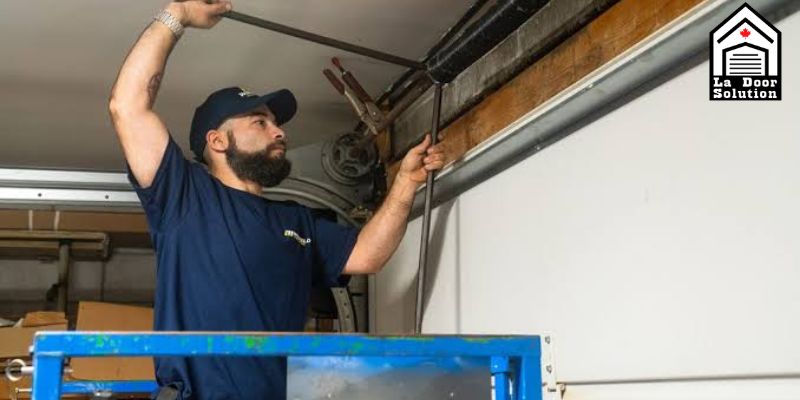
Torsion springs are mounted above the garage door opening and twist to create lifting force. These are the most common systems in modern homes because they provide smoother operation and better durability.
A professional torsion spring replacement is often needed when springs become worn, stretched, or completely snap due to age and repeated cycles.
Extension Springs
Extension springs run along the horizontal tracks on each side of the garage door. They stretch and contract as the door moves. These systems are more common in older homes and are generally less durable than torsion setups.
Why Garage Door Springs Fail
Garage door springs operate under extreme tension. Over time, that stress eventually leads to wear and failure.
Several factors contribute to spring damage:
Most residential springs are rated for around 10,000 cycles. One cycle equals opening and closing the door once. For many families, that lifespan can be reached faster than expected.
A homeowner using the garage as the main entry point may complete 5–8 cycles daily, significantly shortening spring life.
Signs Your Garage Door Springs Are Failing
Recognizing the early warning signs can help prevent sudden breakdowns.
Garage Door Heavy to Lift
One of the clearest symptoms of spring problems is when the door suddenly feels extremely heavy.
Why This Happens
The springs are responsible for carrying most of the door’s weight. When tension weakens, the opener or homeowner must compensate.
You may notice:
Many homeowners initially assume the opener is failing, but experienced technicians often discover a worn spring instead.
Spring Snapped Symptoms
A completely broken spring is usually obvious once you know what to look for.
Common Warning Signs Include:
These are classic spring snapped symptoms that require immediate attention.
A garage door spring snapped situation should never be ignored because continued operation can damage the opener, tracks, rollers, and cables.
Broken Garage Door Spring: What Homeowners Should Do First
A broken garage door spring can create both safety and security issues.
Immediate Steps to Take
Stop Using the Door
Do not continue operating the garage door opener. The opener is not designed to lift the full door weight alone.
Keep Children and Pets Away
Broken springs can create unstable movement and dangerous tension points.
Avoid DIY Repairs
Garage springs are under high tension and can cause serious injury if handled incorrectly.
Schedule Professional Inspection
A trained technician can determine whether the issue requires repair, adjustment, or full replacement.
In Edmonton, cold-weather stress often accelerates spring failure during winter months, making prompt service especially important.
Garage Door Not Opening Spring Issue: Common Causes
When homeowners experience a garage door not opening spring issue, the root problem may not always be a fully snapped spring.
Weak Spring Tension
Springs can gradually lose lifting power over time without visibly breaking.
Uneven Spring Wear
In two-spring systems, one spring may weaken before the other, causing imbalance.
Rust and Corrosion
Moisture and road salt exposure in colder climates can accelerate deterioration.
Incorrect Spring Size
Improperly installed springs create excessive strain on the entire system.
Cable Damage
A failing spring can place extra pressure on cables and pulleys.
Professional diagnosis matters because misidentifying the problem often leads homeowners to replace the wrong component.
Repair vs Replace: What Makes More Sense?
Repair vs Replace
This is one of the most common questions homeowners ask after spring damage occurs.
The answer depends on several factors.
When Repair May Be Possible
Minor adjustments or repairs may work if:
When Replacement Is the Better Option
Full replacement is usually recommended when:
In most cases, professional technicians recommend replacing both springs together, even if only one breaks.
This keeps the system balanced and prevents uneven wear.
Torsion Spring Replacement: What to Expect
A professional torsion spring replacement typically involves several important steps.
Inspection and Safety Assessment
The technician checks:
Removing Damaged Springs
This process requires specialized winding tools and safety procedures.
Installing Correct Spring Size
Using the wrong spring can shorten system lifespan and create dangerous imbalance.
Tension Calibration
Precise tension adjustments ensure smooth operation.
Full System Testing
The entire garage door system should be tested after replacement.
Experienced technicians also inspect related components that may have been damaged by the failing spring.
Realistic Garage Door Spring Repair Costs in Edmonton
The cost of garage door spring repair Edmonton services depends on several variables.
Factors Affecting Cost
Type of Spring
Torsion systems generally cost more than extension springs.
Door Size and Weight
Larger insulated doors require stronger springs.
Number of Springs
Single-spring and double-spring systems differ in price.
Emergency Service Timing
After-hours repairs may increase costs.
Additional Component Damage
Broken cables, bent tracks, or opener strain can add to the repair.
Spring Quality
Higher-cycle springs usually cost more upfront but last significantly longer.
While cheaper repairs may seem appealing initially, low-quality springs often fail much sooner.
Why Edmonton Weather Impacts Garage Door Springs
Edmonton’s climate creates unique stress on garage door systems.
Cold Temperatures
Metal contracts in freezing weather, increasing brittleness.
Moisture and Ice
Humidity and melting snow contribute to rust formation.
Frequent Winter Use
During harsh winters, homeowners rely heavily on garage access, increasing cycle counts.
Temperature Swings
Rapid freeze-thaw conditions place additional strain on metal components.
Experienced local technicians often recommend annual maintenance inspections before winter begins.
Common Mistakes Homeowners Make
Many garage door problems become worse because of avoidable mistakes.
Ignoring Early Warning Signs
Small balance issues often become complete spring failures.
Attempting DIY Spring Repairs
This is one of the most dangerous garage door mistakes.
Springs store massive tension energy and can cause severe injuries.
Replacing Only One Spring
In double-spring systems, uneven wear usually leads to another failure soon afterward.
Delaying Maintenance
Routine lubrication and inspections can extend spring lifespan considerably.
Using the Opener on a Broken Door
This frequently burns out the opener motor.
Expert Tips to Extend Spring Lifespan
Experienced garage door professionals often recommend several simple preventative strategies.
Lubricate Springs Regularly
Use garage door lubricant every few months to reduce friction and rust.
Test Door Balance
Disconnect the opener and manually lift the door halfway.
If it falls or rises on its own, the springs may need adjustment.
Schedule Annual Inspections
Preventative maintenance often catches problems before major failure occurs.
Upgrade to High-Cycle Springs
Homes with frequent garage usage benefit from stronger springs designed for longer lifespan.
Address Small Noises Early
Grinding, squeaking, or popping sounds often indicate developing issues.
When Emergency Repairs Are Necessary
Not every spring issue requires immediate same-day service, but some situations absolutely do.
Situations Requiring Emergency Garage Door Spring Repair Edmonton
In these cases, prompt emergency garage door spring repair Edmonton service helps restore safety and prevent further system damage.
How Long Do Garage Door Springs Last?
Average lifespan varies based on usage and spring quality.
Typical Lifespans
Usage frequency matters more than age alone.
A family opening the garage eight times daily will wear out springs much faster than occasional users.
Signs You Should Call a Professional Immediately
Homeowners should contact a qualified technician if they notice:
Ignoring these symptoms often leads to more expensive repairs later.
Final Thoughts
Garage door springs are small components with a massive responsibility. When they begin failing, homeowners often notice subtle signs first: unusual noises, uneven movement, or a garage door heavy to lift. Addressing those warning signs early can prevent dangerous breakdowns and expensive secondary damage.
Whether dealing with a broken garage spring repair, a complete garage door spring snapped situation, or considering a professional torsion spring replacement, timely diagnosis matters.
For homeowners researching garage door spring repair Edmonton, the safest approach is always professional assessment and proper repair techniques. Especially during harsh winters, reliable springs are essential for both convenience and home security.
If your garage door is showing signs of strain, unusual movement, or balance problems, scheduling an inspection sooner rather than later can save time, money, and frustration.
FAQs
How do I know if my garage door spring is broken?
The most common signs include a loud snapping noise, a garage door that feels extremely heavy, uneven door movement, or the opener struggling to lift the door. In torsion systems, you may also see a visible gap in the spring itself.
Can I open my garage door with a broken spring?
Technically, some doors can still be lifted manually, but it is not recommended. Garage doors are extremely heavy without spring support, and forcing the opener to operate can damage the motor or create serious safety risks.
How long does a torsion spring replacement take?
In most residential situations, a professional torsion spring replacement takes about 1–2 hours. More complex systems or additional repairs may require extra time.
Should both garage door springs be replaced together?
Yes, in most double-spring systems, replacing both springs together is strongly recommended. If one spring has failed, the second is usually close to the end of its lifespan as well.
What causes garage door springs to break faster in Edmonton? Cold temperatures, moisture, rust, frequent winter usage, and sudden temperature changes all contribute to faster spring wear in Edmonton’s climate. Regular maintenance and lubrication help reduce premature failure.